Compassionate Wrongful Death Legal Professional: Fighting For Justice for Your Loved Ones
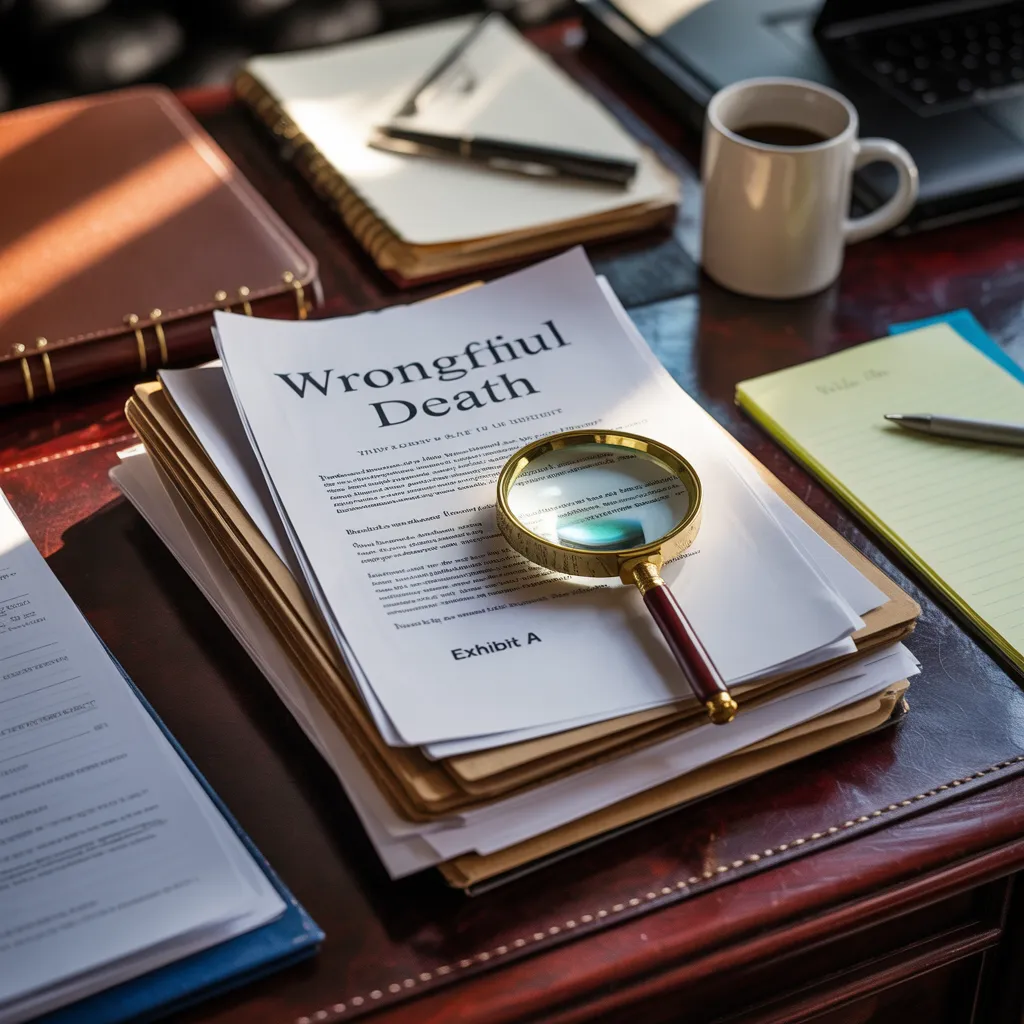
Navigating through the aftermath of a wrongful death can be difficult for families. A compassionate wrongful death attorney serves as both a legal advocate and a source of emotional support. They understand the complexities involved in such cases and work diligently to ensure families receive just compensation. However, the path to justice is often filled with obstacles. Understanding what to expect and how to choose the right attorney is crucial for obtaining a satisfactory outcome.
What You Should to Know About Wrongful Death Claims
When a cherished one passes away due to negligence from another person, it can result in family members grappling with both monetary and emotional distress. Grasping wrongful death lawsuits is critical for those affected by such losses. These cases occur when a death originates from the careless or deliberate conduct of another person. Qualifying claimants usually encompass immediate family members, such as spouses, children, and sometimes parents or siblings, depending on state laws.
To pursue a claim, the grieving family must establish that the defendant's actions directly caused the death. This discussion often involves collecting evidence, such as medical documentation and testimonies from witnesses. Additionally, wrongful death claims can seek damages for various damages, including funeral costs, foregone earnings, and emotional suffering. Each state has particular time limits for filing, known as statutes of limitations, requiring it for families to grasp their rights under the law without delay.
How a Sympathetic Wrongful Death Legal Representative Can Support
A sympathetic wrongful death attorney functions as a critical resource in shepherding families through the challenges of legal channels following a tragedy. They deliver not only critical emotional support services but also help decipher compensation frameworks. Their specialized training can diminish suffering during a period of grief, permitting families to prioritize healing and adjustment.
Grasping Legitimate Pathways
Handling the difficulties of wrongful death claims demands expertise and sensitivity, making a empathetic wrongful death attorney a crucial ally. These legal experts assist families through the complex procedures involved in filing a claim, making sure they understand their rights and options. They investigate the circumstances of the death, gather necessary evidence, and consult with experts to construct a strong case. A wrongful death attorney also manages the legal system’s intricacies, advocating for adequate compensation that reflects the loss suffered. By providing personalized legal strategies, they support clients in making informed decisions, enabling families to concentrate on healing while their pursuit of justice is properly handled. This support is essential during a time of deep grief and uncertainty.
Emotional Assistance Services
Navigating through the consequences of a wrongful death can be daunting, and emotional support becomes a critical part of the healing process. A compassionate wrongful death attorney understands the unique emotional turmoil faced by grieving families. They often provide access to emotional support services, such as counseling referrals, support groups, and resources tailored to help clients cope with their loss. By prioritizing emotional well-being alongside legal matters, these attorneys create a comprehensive approach to healing. They know that managing grief requires patience and understanding, and they endeavor to foster a supportive environment. This commitment to emotional support strengthens families, allowing them to focus on their healing journey while pursuing justice for their loved ones.
Understanding Financial Compensation options for obtaining your financial gains
While handling the complexities of financial compensation after a wrongful death, families often find themselves swamped by legal intricacies and emotional distress. A compassionate wrongful death attorney plays an significant role in guiding families through this challenging process. They evaluate the unique circumstances of the case, assisting in identifying potential sources of compensation, such as medical expenses, lost income, and emotional suffering. These attorneys have the expertise to conduct negotiations with insurance companies and to represent families in court if needed. By providing clear explanations and consistent support, they empower families to make informed choices. Ultimately, a compassionate attorney not only seeks justice but also works to relieve the financial burdens that come with such tragic losses.
Varieties of Wrongful Death Cases We Manage
Wrongful death cases encompass a wide array of circumstances, each demanding careful consideration and professional knowledge. These cases can stem from different events, including automobile accidents, medical negligence, workplace accidents, and product liability. In automobile collisions, carelessness or reckless driving can lead to fatal consequences, while medical negligence may include errors in assessment or care that result in a patient's death.
Workplace incidents often involve unsafe conditions or insufficient training, and product responsibility cases may arise from defective or dangerous products leading to fatalities. Additionally, wrongful death can occur in cases of illegal actions, such as homicide or assault. Each type of case requires a thorough investigation to determine fault and the extent of damages suffered by the surviving family members. Understanding the specific circumstances of each wrongful death case is vital for pursuing justice and acquiring suitable damages for grieving families.
Guide to Picking the Appropriate Lawyer for Your Court Case
Selecting the right attorney for a death-related lawsuit requires thoughtful evaluation of several key factors. People should emphasize an lawyer's experience in fatal incident legislation, as well as their empathetic approach to dialogue to ensure a nurturing atmosphere. Moreover, a proven track record of positive results can offer confidence in the attorney's ability to handle the case successfully.

Specialization in Wrongful Death
Navigating the intricacies of a wrongful death case requires thorough evaluation when selecting an lawyer. Experience is a critical factor; a experienced attorney will have navigated comparable matters and understand the nuances of wrongful death law. They should possess a history of successful outcomes, demonstrating their capacity to represent skillfully for clients. Additionally, knowledge with applicable state regulations and regulations is essential, as these can greatly impact the matter. Potential plaintiffs should inquire about the attorney's prior matters, settlements reached, and general strategy to litigation. Assessing an lawyer's background not only establishes trust but also ensures that the attorney services aligns with the particular requirements of the case, eventually facilitating a more favorable outcome.
Caring Exchange Manner
Choosing an lawyer that displays a caring manner of communication can significantly affect the handling of a wrongful death case. Effective communication is vital during this emotional time, as it builds faith and reassurance. A compassionate attorney listens carefully, acknowledging the distress clients endure, and shares information in a clear, sympathetic way. This style not only assists clients feel supported but also empowers them to make informed decisions about their case. When considering prospective attorneys, one should observe their responsiveness and openness to engage in transparent communication. An attorney who emphasizes compassionate communication will be better able to navigate the complexities of the legal process while providing the support clients need during such a trying period.
Established History
Throughout navigating the complexities of a wrongful death case, individuals must focus on finding an lawyer with a established history in comparable matters. An lawyer's track record in past wrongful death cases typically demonstrates their ability to navigate court obstacles effectively. Prospective clients must look for reviews and case results that showcase the lawyer's knowledge and experience. Additionally, it's critical to assess their familiarity with relevant laws and regulations, as such expertise can significantly affect the case outcome. Participating in meetings with multiple attorneys can offer insight into their approach and dedication. Ultimately, selecting a lawyer with proven success not only instills trust but also enhances the likelihood of obtaining justice for the loss of a family member.
Anticipating What Comes Ahead in the Legal Process?
The legal process following a wrongful death claim can be detailed and emotionally burdensome. Initially, households must obtain materials to establish accountability, which often includes medical records, accident reports, and declarations from witnesses. This phase can be challenging, as it entails meticulous concentration on particulars.
Once the information has been gathered, the attorney generally files a official complaint in court, presenting the details of the death and the compensation requested. The defendant will have the opportunity to respond, which could lead to negotiations for a settlement.
If an agreement cannot be achieved, the case may proceed to trial, where both parties submit their arguments before a judge or jury. Throughout this process, attorneys play an crucial role in guiding families, making certain they comprehend each step and its implications. Overall, the journey demands patience and resilience as families pursue justice for their loved ones.
Help Options for Family Members After a Wrongful Death
Dealing with life following a tragic loss can be profoundly challenging, and families often find themselves in need of support resources to handle their loss. Diverse organizations and resource lines furnish emotional support, building connections with grief counselors and mutual aid groups. Community-level services often extend bereavement programs designed to help individuals process their grief in caring environments.
Furthermore, legal resources, such as wrongful death attorneys, can help families navigate through the intricacies of legal proceedings, alleviating some of the stress associated with pursuing justice. Additionally, internet-based support communities and digital networking platforms can link individuals facing similar experiences, fostering a sense of belonging.
Ultimately, obtaining these materials can serve as an essential role in the healing process, enabling families to navigate their grief while pursuing accountability for their loved ones. Utilizing these services can help them restore a sense of stability during a tumultuous time.
Frequently Asked Questions
What Is the Statute of Limitations for Filing a Wrongful Death Claim?
A time limit applies to submitting a wrongful death claim, usually allowing one to three years based on the jurisdiction. Swift action is vital to protect the right to seek financial recovery for the loss.
Can I submit a wrongful death Claim if the deceased Had No will?
Yes, a fatal injury suit can be brought even if the deceased had no will. In these cases, state legal provisions identify the eligible parties entitled to inherit who can pursue the claim on account of the decedent's inheritance.
How Do Legal Professionals Figure Out Compensation Amounts in Wrongful Death Disputes?
Damages in wrongful death cases are typically determined based on financial damages, such as foregone earnings and medical expenses, as well as intangible losses, including emotional suffering and deprivation of relationship for surviving family members.
What Documentation Is Needed to Support a Wrongful Death Case?
Supporting a wrongful death claim typically demands evidence such as medical records, eyewitness statements, expert testimonies, accident reports, financial documents, and any relevant correspondence. This evidence together proves fault and the impact of the loss.
Are Wrongful Death Claims Initiated Against Persons or Organizations?
Wrongful death claims can be submitted against both persons and corporations, depending on the circumstances surrounding the death. Legal responsibility may result from negligence, intentional actions, or faulty products, warranting court proceedings for compensation.